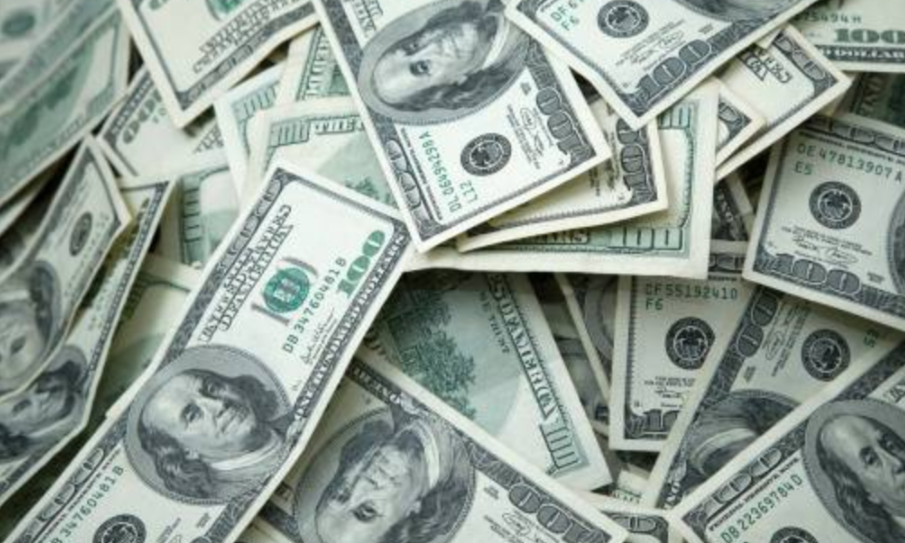
5 Countries Where the U.S. Dollar Is Practically Worthless
The U.S. dollar is often seen as the world’s most powerful currency. From international trade to foreign reserves, it’s the go-to money in global finance.
But in some parts of the world, the dollar either has limited value, is restricted, or is outright banned—making it almost useless for everyday transactions.
Whether you’re a traveler, investor, or curious reader, here are countries where the U.S. dollar doesn’t hold value in any practical sense.
1. North Korea
North Korea operates in near-total isolation. The government prohibits the use of foreign currency by its citizens, and visitors must exchange their money for a special “tourist” currency. The U.S. dollar, in particular, is unwelcome due to political hostility.
Even if you could sneak in dollars, there’s nowhere legal to spend or exchange them.
2. Venezuela
Once South America’s richest country, Venezuela’s economy has collapsed under years of hyperinflation and economic mismanagement. Although the U.S. dollar is technically in circulation and even preferred, official exchange rates are manipulated and the dollar’s real value is often hidden behind black market systems.
You can’t rely on banks or official bureaus to get a fair value for your dollar.
3. Iran
Due to longstanding U.S. sanctions, Iran’s banking system is disconnected from the global dollar economy. The Iranian rial has plummeted in value, and most Iranians trade in a shadow market where the dollar’s worth fluctuates daily. USD is valuable underground, but officially unusable.
4. Zimbabwe
Zimbabwe abandoned its original currency in the late 2000s due to extreme hyperinflation, and the U.S. dollar became the de facto currency. However, the government later reintroduced a local currency (ZWL), and now places heavy restrictions on dollar use.
Officially, the dollar is phased out, but in reality, many people still prefer it—illegally or in informal markets.
5. Argentina
Argentina enforces strict capital controls and operates with dual exchange rates—the official rate and the “blue dollar” (black market rate). Tourists and locals often get far better value in informal exchanges, but this creates confusion and legal risk.
Your dollar has value—but not at the official rate, which makes it feel worthless in formal transactions.
Why the dollar “loses value” in these places
In most cases, the U.S. dollar doesn’t lose intrinsic value—it becomes practically unusable due to:
-
Currency controls
-
Black market dominance
-
Hyperinflation in the local currency
-
Government bans or political hostility
In short, it’s not that the dollar itself is weak—it’s that the systems in place prevent it from being used effectively.
Conclusion
While the U.S. dollar reigns supreme in much of the world, there are pockets where it’s trapped in red tape, deflated by black markets, or outright banned. Always research a country’s currency policy before traveling or investing. In some nations, your crisp Benjamin Franklins won’t get you far.


You May Also Like
Chinese Manufacturers Expose Luxury Fashion’s Dirty Secrets Amid U.S. Trade War
Top 5 Best Dressed Politicians In Africa