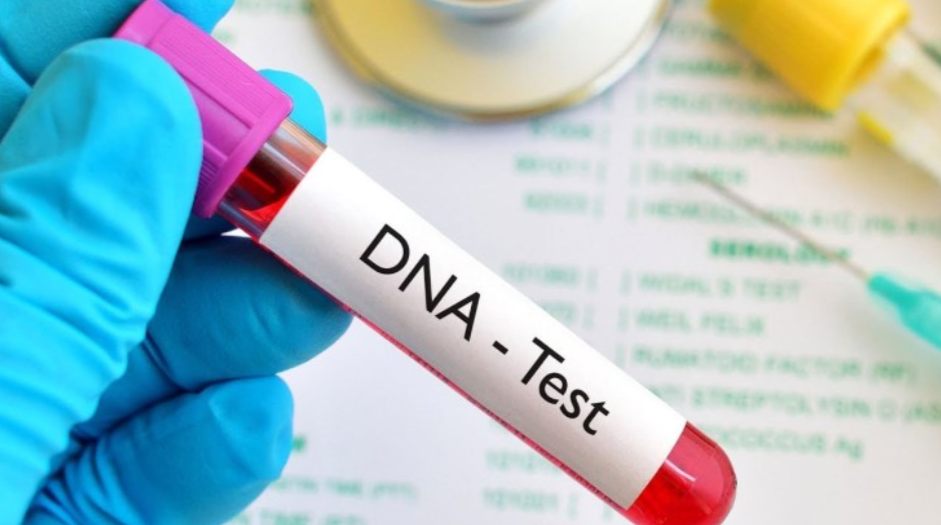
DNA Isn’t a Reason to Walk Away, Accept Non-Biological Children — Experts Tell Fathers
Mental health professionals have advised Nigerian fathers not to reject or abandon children simply because DNA results show they are not the biological parent.
They warned that such actions can leave deep scars on a child’s mental health, leading to depression, low self-worth, and long-term trauma.
According to the experts, children should never be punished for circumstances beyond their control. They stressed that love, care, and stability are crucial for every child — regardless of biology.
A recent DNA testing report by Smart DNA Nigeria revealed that one in four Nigerian men who undergo paternity testing discover they are not the biological fathers of the children in question. The 2025 report, which reviewed cases between July 2024 and June 2025, put Nigeria’s paternity exclusion rate at 25 per cent, a figure only slightly lower than last year’s 27 per cent.
This growing trend of paternity fraud has triggered shock in many families and, in some cases, divorce. While acknowledging the emotional toll on men, experts insist that the real victims are the children — many of whom face rejection, neglect, or even abuse after such revelations.
Dr. Yesiru Kareem, a Consultant Psychiatrist at the Federal Neuropsychiatric Hospital, Abeokuta, explained that when a man suddenly withdraws love and responsibility, the psychological impact on a child can be devastating.
“Children don’t choose the circumstances of their birth. Abandoning them after a DNA revelation can cause depression, anxiety, and even suicidal thoughts,” Kareem warned. He added that fatherhood is not just about genetics but also about emotional presence, psychological support, and social responsibility.
He advised fathers to handle paternity revelations with compassion and seek professional help if needed, instead of abruptly cutting ties.
Clinical psychologist Dr. Juliet Ottoh echoed this concern, noting that children often interpret rejection as a personal failure. According to her, many internalise the pain, blaming themselves and carrying feelings of being unloved into adulthood.
“Children in their formative years are highly sensitive to emotional shifts. When fathers reject them, especially after DNA results, it can lead to confusion, withdrawal, and even academic decline,” she said.
Ottoh further cautioned that children exposed to public family drama risk being stigmatised and ridiculed by society. She also warned that boys may grow up distrusting women, while girls may fear rejection in future relationships.
Experts emphasise that many men have already built years of emotional bonds with these children, and walking away suddenly destroys that foundation.
“Fatherhood is not only about blood — it’s about presence, love, and support,” Ottoh concluded.
Meanwhile, Smart DNA’s report revealed that firstborn children are most affected by paternity disputes, with 64 per cent of all negative results involving firstborn sons. It also found that nearly 90 per cent of DNA tests in Nigeria are initiated by men, showing the growing demand for scientific confirmation of paternity.
At the end of the day, experts stress that while DNA may reveal biological truth, it should not erase years of fatherhood. Children deserve stability and unconditional love — no matter the results.


You May Also Like

5 Zodiac Signs Who Have The Sharpest Memory

The Mystery Behind the Man Who Sprayed ₦150M at Obi Cubana’s Birthday