What Nigeria’s Shea Nut Ban Means for Your Skincare Routine
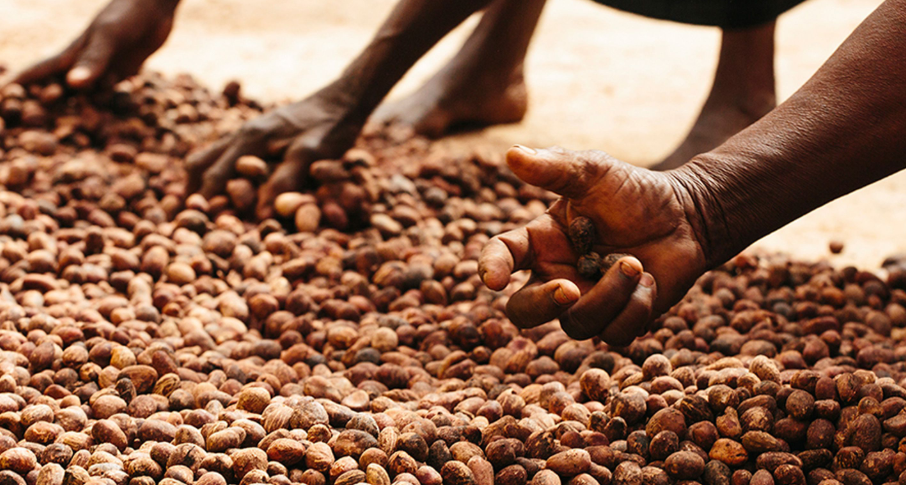
President Bola Tinubu’s recent decision to place a temporary six-month ban on the export of raw shea nuts could have a much wider impact than many realize.
This move doesn’t just affect farmers and exporters — it also has the potential to transform Nigeria’s economy and influence the beauty products sitting on your shelf.
Let’s break down what this ban really means for the country, local businesses, and for you as a consumer.
Why ban raw shea exports?
The announcement, made by the Minister of Agriculture and Food Security, Senator Abubakar Kyari, aims to solve a long-standing issue: Nigeria produces nearly 40% of the world’s shea nuts but earns just 1% of the global market, which is currently valued at $6.5 billion.
The reason is simple — most of our shea harvest leaves the country unprocessed, meaning we export the raw materials but not the profits.
This six-month ban is designed to:
-
Encourage local investment in shea processing
-
Stimulate manufacturing and job creation
-
Grow Nigeria’s annual revenue from shea from $65 million to $300 million
-
Support industrialisation, rural development, and especially gender empowerment, as many shea nut harvesters are women
What this means for consumers
If you use:
-
Shea butter lotions
-
Black soap
-
Natural hair creams
-
Lip balms
…then this affects you directly.
Shea butter is a staple in Nigerian beauty routines — valued for its hydration, healing, and anti-inflammatory properties. But its use goes far beyond skincare. It’s also found in chocolate, ice cream, and pharmaceutical products, showing just how versatile it is.
So, what changes for you?
-
Better access to high-quality, locally refined shea butter
-
No expected price surge — the ban is short-term, and local supply will increase
-
More support for homegrown beauty brands
-
Products that are fresher, more effective, and closer to the source
A win for rural communities and women
The shea industry in Nigeria is largely driven by rural women who are often excluded from the profit chain. By keeping raw materials in-country and investing in processing, the government hopes to:
-
Create better-paying jobs
-
Foster economic inclusion
-
End the exploitation of local farmers by foreign buyers
Experts like Dr. Ahmed Ismail of the Federal University of Minna have praised the move, saying it’s long overdue and necessary to build a stronger, more equitable shea industry.
Why now is the time to support local brands
This policy shift is a golden opportunity for Nigerian skincare and wellness brands. Many already produce shea-based products that rival imported options — from whipped body butters to hydrating hair masks and shea-infused black soaps.
Instead of worrying about shortages, now is the perfect time to:
-
Explore local alternatives
-
Support Nigerian entrepreneurs
-
Invest in products that are sustainable and locally sourced
You’re not just buying a cream or soap — you’re contributing to a national shift toward self-reliance and industrial growth.
Conclusion
The six-month shea nut export ban is more than just an agricultural directive — it’s a strategic move toward building value within Nigeria. It empowers local businesses, uplifts rural communities, and gives consumers access to better, fresher, and more affordable products.
Your skincare routine isn’t at risk — it’s about to get more Nigerian, and more powerful.

You May Also Like

Top 5 Countries With The Most Churches In The World
April 6, 2025
5 BBNaija Stars Who ‘Faded’ After The Fame
April 24, 2025