Is Vitamin B12 Deficiency Quietly Raising Your Heart Risk?
We often blame stress, bad sleep, and unhealthy food for heart problems — and we’re not wrong.
But there’s a quiet factor that rarely gets talked about, one that could be silently putting pressure on your heart over the years: vitamin B12 deficiency.
The nutrient your heart can’t live without
Vitamin B12 might not sound like a big deal, but it plays a key role in keeping your blood vessels healthy. One of its main jobs is breaking down homocysteine, a naturally occurring amino acid in the body.
When your B12 levels dip, homocysteine starts to pile up — and that’s where the trouble begins. Too much of it can make your blood thicker, damage your arteries, and raise your risk of high blood pressure, clots, and heart disease. It’s a slow, quiet process that can go unnoticed for years.
What research is showing
According to the International Journal of Academic Medicine and Pharmacy, there’s an inverse link between vitamin B12 and blood pressure — meaning that as your B12 levels drop, your blood pressure tends to rise.
This connection is more than just coincidence. Scientists are now realizing that something as small as a vitamin deficiency can influence long-term heart health, especially in people who already have risk factors like stress, poor sleep, or an unbalanced diet.
Why you might be running low on B12
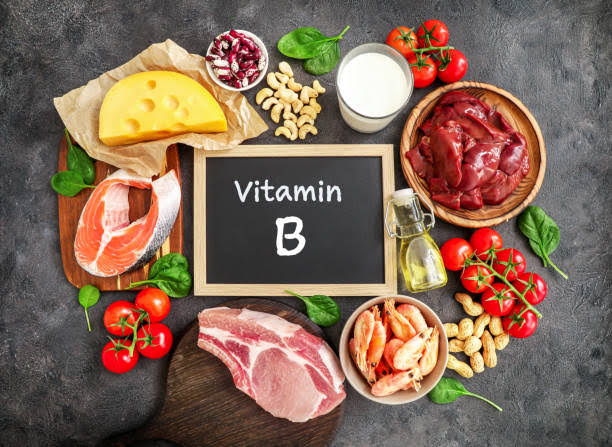
Vitamin B12 is mostly found in animal-based foods like eggs, fish, beef, and dairy. That means vegetarians, vegans, and older adults are more likely to be deficient.
But it’s not just about what you eat — your body’s ability to absorb B12 also matters. Here are a few things that can lower your levels:
- Long-term use of acid reflux or diabetes medications (like metformin)
- Alcohol consumption
- Digestive issues that affect absorption
- Restrictive diets or skipping meals
How to keep your levels in check
Taking care of your heart might be as simple as adding the right nutrients to your plate. Try these easy steps:
- Eat B12-rich foods — salmon, tuna, eggs, and dairy are great sources.
- Get tested — a quick blood test can tell you if you’re running low.
- Consider supplements if your diet is limited or you’re vegan.
- Pair B12 with folate and vitamin B6 — they work together to keep your blood vessels healthy.
Your heart health isn’t just about avoiding fried food or hitting the gym. It’s also about giving your body the micronutrients it needs to function properly.
A simple thing like keeping your vitamin B12 levels balanced can help prevent silent damage, improve your energy, and support a healthier heart — one meal (and one mindful choice) at a time.


You May Also Like

Burna Boy Throws Shade at Davido Following Recent Podcast Interview

UK Ranked 2nd Most Miserable Country in the World