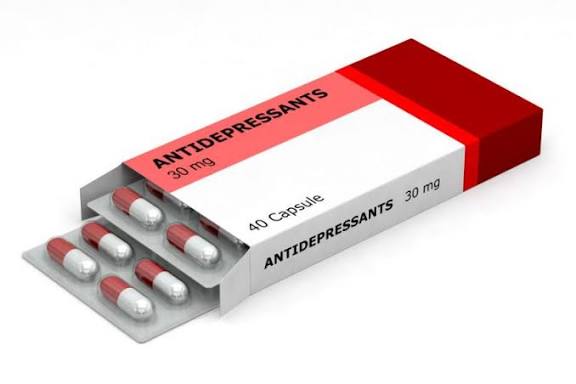
Finding Balance: What Antidepressants Can (and Can’t) Do for You
They’ve been called “happy pills,” overprescribed by some and lifesaving for others. But behind the stigma and statistics, what do antidepressants actually do? From the science of serotonin to the truth about dependence, here’s what you need to know about America’s most misunderstood mental health medication — stripped of myths, judgment, and hype.
In today’s world, antidepressants are among the most commonly prescribed medications in the United States. Millions of Americans rely on them daily — not just to fight depression, but to manage anxiety, PTSD, OCD, and chronic pain. Yet despite how common they are, these drugs remain surrounded by confusion, myths, and stigma.
Let’s separate the facts from the fiction.
What Are Antidepressants?
Antidepressants are medications designed to help balance brain chemicals known as neurotransmitters — particularly serotonin, norepinephrine, and dopamine — that play a key role in mood and emotions.
The Main Types Include:
- SSRIs (Selective Serotonin Reuptake Inhibitors): Prozac, Zoloft, Lexapro
- SNRIs (Serotonin-Norepinephrine Reuptake Inhibitors): Cymbalta, Effexor
- Tricyclic Antidepressants (TCAs): Elavil, Pamelor
- MAOIs (Monoamine Oxidase Inhibitors): Nardil, Parnate
- Atypical Antidepressants: Wellbutrin, Remeron
Each class works differently, and finding the right one often takes time and medical guidance.
The Real Facts
1. They Don’t Create Instant Happiness
Antidepressants aren’t “happy pills.” They don’t force joy or artificial positivity — instead, they gradually lift the fog of depression by stabilizing brain chemistry. Most people notice improvement within 4–6 weeks.
2. It’s Not One-Size-Fits-All
What works for one person may not work for another. Finding the right drug or dose can take patience, adjustments, and open communication with a doctor.
3. They Can Save Lives
Antidepressants can reduce suicidal thoughts, improve sleep, and restore energy. However, doctors monitor closely, especially during the first few weeks, when some may experience restlessness or mood changes.
4. Withdrawal Is Real — But It’s Not Addiction
Stopping suddenly can cause dizziness, irritability, or “brain zaps.” This is called discontinuation syndrome, not addiction. These drugs don’t create cravings or dependency in the way narcotics do.
5. They Work Best With Therapy
The most effective recovery often happens when medication is paired with talk therapy. Antidepressants help stabilize mood; therapy helps address thought patterns and emotional habits that drive depression.
Common Misconceptions
“Antidepressants Change Who You Are.”
No — they don’t change your personality. When used correctly, they help you feel more like yourself again.
“You’ll Need Them Forever.”
Some people only take them for several months; others with chronic conditions may need long-term treatment. The duration depends on individual circumstances, not a one-time rule.
“People Who Take Them Are Weak.”
Depression is a medical illness, not a moral failure. Taking antidepressants is an act of self-care and strength, not weakness.
“They Don’t Really Work.”
While placebo effects exist, research consistently shows antidepressants outperform placebos in moderate to severe depression. Their effect is real, especially when combined with therapy and lifestyle adjustments.
The American Reality
Antidepressant use in the U.S. has skyrocketed over the past two decades:
- Roughly 13% of adults take them.
- Women are twice as likely as men to use them.
- Many stay on medication for two years or longer.
This rise has sparked debate — some experts worry about overprescription and the lack of access to therapy, which can leave people relying on medication alone without deeper emotional support.
The Takeaway
Antidepressants aren’t magic, but they’re powerful tools — often life-changing ones — when used properly. They don’t erase who you are; they help you find your balance again. The key is working closely with a trusted healthcare provider, staying patient with the process, and remembering that healing is never one-size-fits-all.
Because taking care of your mind is just as essential as taking care of your body — and there’s no shame in getting the help you deserve.


You May Also Like

6 Health Benefits Of Smoothies For Women

Pawpaw: 5 Amazing Beauty Benefits & How To Use It
