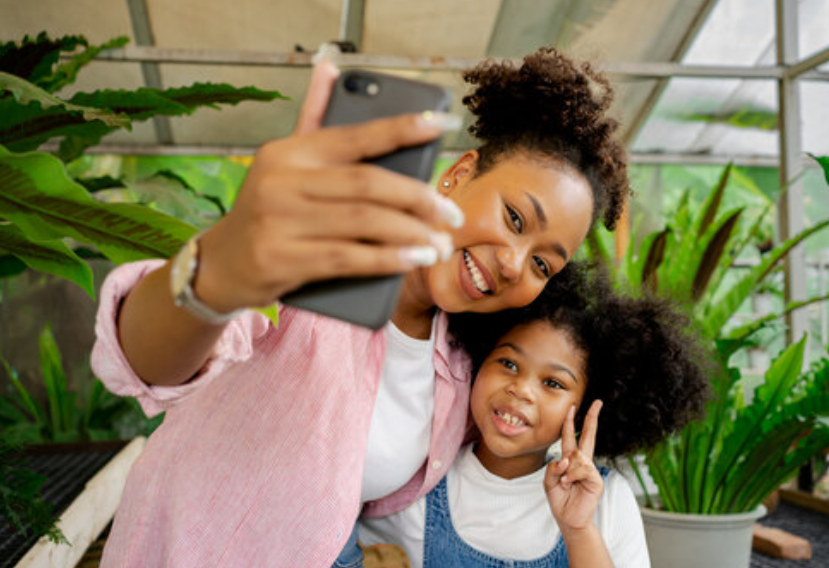
In today’s hyper-connected world, it’s second nature to share moments from our lives on social media—birthdays, first steps, funny quotes, and family vacations.
For parents, documenting a child’s milestones online can feel like a way of preserving memories and staying connected with loved ones.
But this well-intentioned sharing comes with hidden risks that are increasingly important to consider.
1. Privacy concerns
Once something is posted online, it’s essentially permanent. Even deleted content can be saved, shared, or screenshotted by others. Children cannot consent to the digital footprint being created for them, and that trail can follow them for life—potentially impacting future education, employment, or personal relationships.
2. Digital kidnapping
“Digital kidnapping” refers to strangers stealing and repurposing photos of children from social media. These images can be used for fake profiles, disturbing content, or even shared in inappropriate online communities. If your profile or posts are public, this risk is significantly increased.
3. Facial recognition and data harvesting
Photos of your child can be scraped by companies or malicious actors and used to train facial recognition systems or feed AI datasets—often without your knowledge. This raises ethical concerns about consent and how your child’s likeness might be used in the future.
4. Location and personal information leaks
Many photos contain metadata (like location and time) that can unintentionally reveal where your child lives, goes to school, or frequently visits. Even casual captions (“First day at Lincoln Elementary!”) can give away more than you realize, creating safety risks.
5. Embarrassment and emotional impact
What might seem like a funny bath time photo or a meltdown at the grocery store could become a source of embarrassment for your child as they grow older. Children deserve dignity and privacy, just like adults. Oversharing can unintentionally cross boundaries and affect their sense of trust and autonomy.
6. Online bullying and shaming
Shared content can be used by others—kids or adults—for bullying or shaming. Once something goes viral or becomes a meme, it’s out of your control, and it may come back to haunt your child during school years and beyond.
Conclusion
Sharing can be beautiful—but it should be safe and respectful. As guardians of our children’s present and future, it’s our responsibility to protect their digital identity just as carefully as we protect their physical safety.